
Message from UW Orthodontic Department Chair Greg Huang
Dear Alums, Hope you are all enjoying the warmer spring weather. I always love the flowers and the gradual “greenification” that occurs in Seattle during March and April. Of course, March is also marked by Thesis Day and the Alton Moore Lecture, held again on the UW campus at Kane Hall. My congratulations to our 5 senior students, as well as our Alton Moore Lecturer, Bill McNeill. After holding Thesis Day at quite a few venues around Seattle, I feel we have found a really nice home right here on campus. The Walker-Ames room is a beautiful, comfortable, and well-equipped space, overlooking UW’s iconic Red Square. For the past several years, our graduation event has been completely funded by the Turpin-Huang Endowment, and we are deeply indebted to David Turpin for being the founder and largest contributor to this fund. David wanted the entire UW family to come enjoy this special day, and so he decided to create an endowment that would fund all expenses related to the event. What a wonderful legacy to David’s vision and generosity. I hope more and more alums will join us each year at Thesis Day and the Alton Moore Lecture. Perhaps classes might want to schedule a reunion during the event, and the Department would certainly be willing to help with arrangements. After all, how can you beat a day spent celebrating our graduate program, hearing about our students’ cutting-edge research, reconnecting with fellow alums, and enjoying an inspiring Alton Moore Lecture. In recent years, I have intentionally invited prominent alums to give the Alton Moore Lecture, and Barbara Sheller and Bill McNeill have been absolutely awesome. I am thrilled that our 2027 Alton Moore Lecturer will be another alum, Peter Shapiro, the 4th Chair of our Department. Please, please, please – mark the date on your calendars now – Friday, March 19, 2027. Let’s fill the Walker-Ames Room for Peter’s Alton Moore lecture. It’s going to be awesome! My best, Greg J. Huang, DMD, MSD, MPH Professor and Chair |
Message from UWOAA Board President
Samuel Finkleman
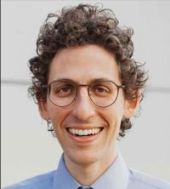
Dear Alumni,
I hope that this message finds you well! First and foremost, congrats to our recent graduates: Anissa Sangster, Julie Kim, Neal Quinn, Rachel Teitelbaum, and Tammy Nguyen. Welcome to the alumni community!
Thesis Day was hosted at the Walker-Ames Room in Kane Hall. It was a wonderful event, highlighted by Bill McNeill’s (’64) lecture entitled “Living the Dreams”. In his lecture, Bill described his career, adventures, and
community service over the years. Thesis Day is a great opportunity to celebrate the outstanding research of our residents, and reconnect with colleagues and friends. We hope to see you next year!
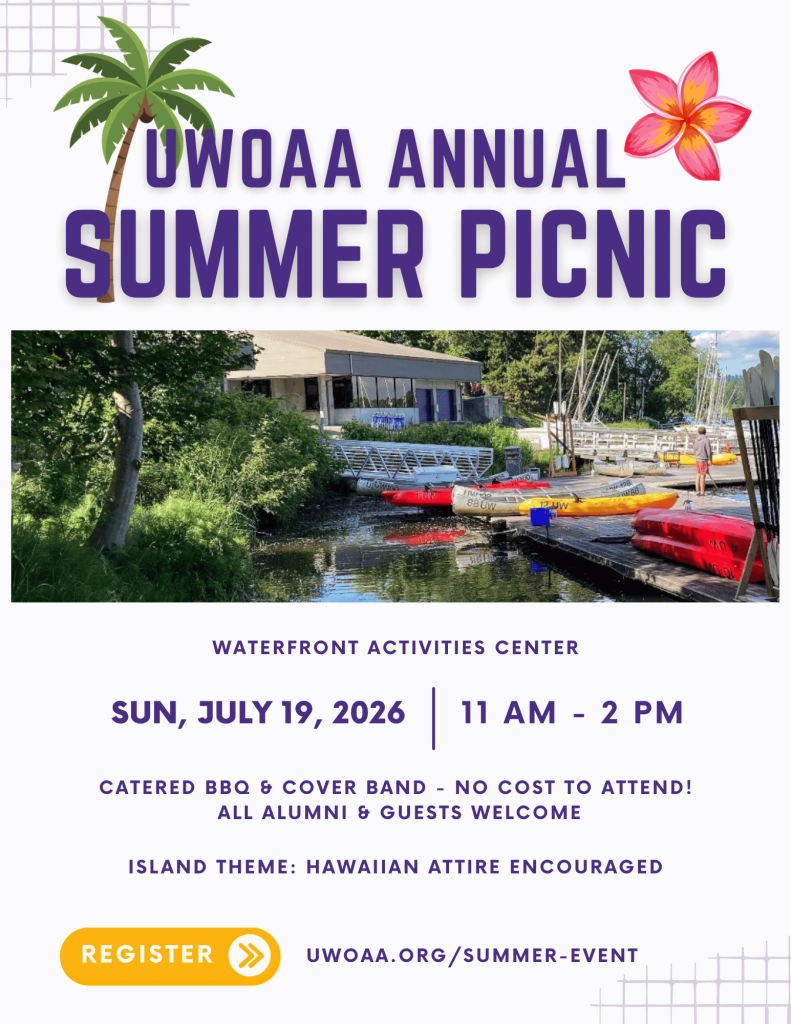
As we move towards summer, please mark your calendars for the annual department/alumni picnic on July 19th. This year, the alumni association will host the event at the Waterfront Activities Center at UW. Partners and children are welcome. Registration is covered by the alumni association. For more details and to register, please visit our website.
This September will mark the conclusion of my three-year term as president of the alumni association. It has been a true privilege to serve alongside such a dedicated group of board members. Thank you for all of your hard work! Jen Mirabelli (’03) will be taking over as president. We are welcoming three newly elected board members: Doug Ramsey, Michael George, and Sid Vora. In addition, Lauren Hagel will be taking over Gabi Aragon’s board position. I have no doubt that the board is in great hands moving forward!
The continued success of our program is made possible by the engagement and generosity of our alumni. Alumni association dues are used to support the day-to-day operations of the association, whereas donations are used to support the department. Each contribution, whether large or small, plays a vital role in enriching the educational experience of our program.
If you have not already done so, we kindly ask you to renew your alumni membership by paying your annual alumni dues. This can be done on our website. Your continued support strengthens our community and helps ensure that future generations of residents benefit from the same exceptional training and opportunities that shaped our own careers.
Best,
Samuel Finkleman (’19)
UWOAA President
UPCOMING EVENTS
Dear Alums,
Please join us for the UWOAA Annual Summer Picnic on Sunday, July 19, from 11 a.m. to 2 p.m. at the Waterfront Activities Center at the University of Washington. Enjoy a relaxed afternoon with fellow alumni featuring a catered BBQ and beautiful waterfront views. This event is free to attend, and we hope to see you there!
Best,
UWOAA Board
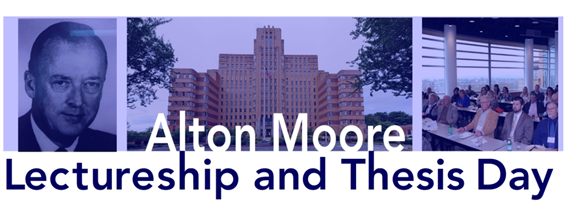
Friday, March 19th, 2027
Hosted at the Walker-Ames room in Kane Hall
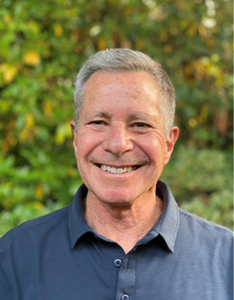
Guest Speaker: Dr. Peter Shapiro
Registration is complimentary for all UW Ortho alumni who have paid their annual dues!
CELEBRATING THE CLASS OF 2026
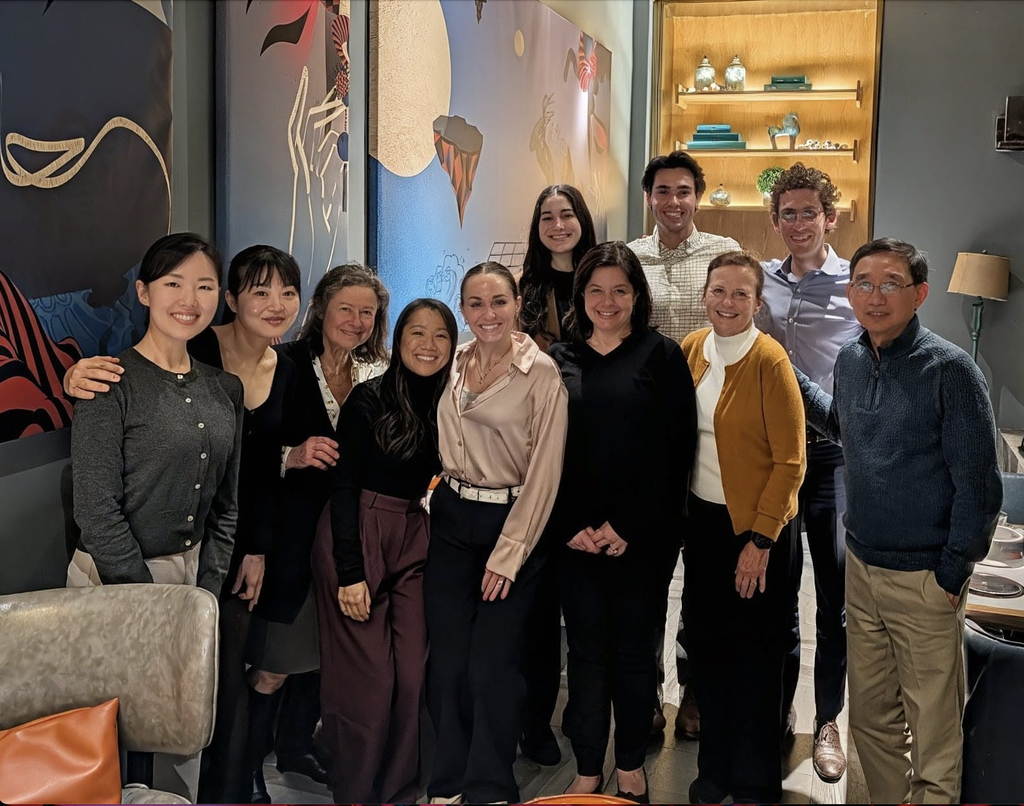
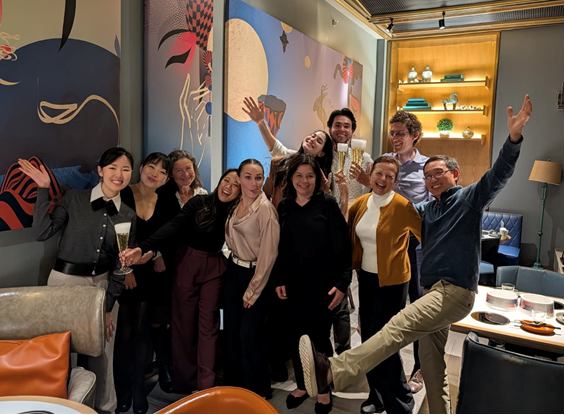
Our 2026 graduates celebrated over dinner with faculty
MEET OUR CLASS OF 2026 GRADUATES

Top Row: Rachel Teitelbaum, Neal Quinn, Anissa Sangster
Bottom Row: Julie Kim, Tammy Nguyen
Dr. Rachel Teitelbaum
Biosketch: Dr. Rachel Teitelbaum is originally from Ann Arbor, Michigan. She earned her Bachelor of Science in Biomolecular Science and her Doctor of Dental Surgery degrees from the University of Michigan before heading to Seattle to complete her orthodontic residency and Master of Science in Dentistry at the University of Washington. After graduation, Dr. Teitelbaum will be moving to Chicago with her fiancé, Jared, and their cat, Moses. She is looking forward to getting married this summer and beginning her career as an associate orthodontist in a Chicago suburb practice.
Graduate Student Research: Premolar Extraction Cases Treated with Aligners: Are Contemporary Results Comparable to Fixed Appliances?
Dr. Neal Quinn
Biosketch: Dr. Neal Quinn is a Clayton, North Carolina native and a proud Tar Heel, finishing both his undergraduate studies and dental school at the University of North Carolina at Chapel Hill before moving to the University of Washington for orthodontic residency. He earned his B.S. in Biology in 2019 and his DDS in 2023. This journey began after his own orthodontic treatment transformed his “beaver-boy” smile, giving him the confidence that now drives his passion to help others. Following graduation, he will remain in the Seattle area to begin practicing as a full-time associate orthodontist while spending his free time hiking, snowboarding, and traveling as much as possible.
Graduate Student Research: Orthodontic Outcomes in Class II Correction with Elastics: Clear Aligners Versus Fixed Appliances
Dr. Anissa Sangster
Biosketch: dr. Anissa Sangster was born and raised in Wenatchee, Washington, and is a proud “triple Dawg,” having completed her undergraduate studies, dental school, and orthodontic residency at the University of Washington. She earned her B.S. in Public Health in 2019 and her DDS in 2023. Her dream of becoming an orthodontist began early – she even created a second-grade poster of her future self in a white coat labeled “Dr. Sangster, Orthodontist.” Following graduation, she will celebrate her wedding and then move to Fort Worth, Texas with her husband, dog, and two cats to begin practicing as a full-time associate orthodontist.
Graduate Student Research: Changes in Occlusal Contact Area Following Orthodontic Treatment: At Time of Debond and Into Retention
Dr. Youkyung (Julie) Kim
Biosketch: Youkyung “Julie” Kim was born in South Korea and moved with her family to the warm southern suburbs of Georgia at the age of thirteen. She went on to attend Emory University, where she received her Bachelor of Science in Neuroscience. She then pursued her dental education at New York University College of Dentistry, where she developed her passion for orthodontics while conducting research on craniofacial development. Julie feels beyond privileged to have received outstanding orthodontic and research training at the University of Washington Department of Orthodontics. She is excited for her orthodontic career ahead and is currently exploring associate opportunities.
Graduate Student Research: Long-term Stability of Skeletal, Dental, and Facial Esthetic Outcomes Following Maxillary Distraction Osteogenesis with Rigid External Distractor in Subjects with Cleft Maxillary Hypoplasia
Dr. Tammy Nguyen
Biosketch: A true Husky, Dr. Tammy Nguyen completed her Bachelor of Science in Biology, Doctor of Dental Surgery degree, and orthodontic residency all at the University of Washington. Go Dawgs! Although she was supposed to take over the family nail salon business, she decided to pursue her own passions in dentistry instead. After graduation, she plans to collect as many passport stamps as possible, with Japan up first. She will then be settling in Olympia and joining a practice in Lakewood as a full-time associate orthodontist. In her free time, you can find her exploring the outdoors with her dog Sammy, cooking up something new in the kitchen, or cheering on the Huskies and Seahawks on game day!
Graduate Student Research: Transverse Changes in Combined Orthodontic and Surgical Treatment with Segmental LeFort I Osteotomy: Comparing Aligners with Fixed Appliances
INTRODUCING DR. CHRISTINE HONG
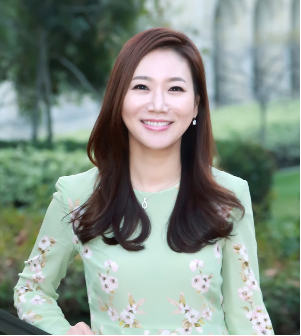
The University of Washington School of Dentistry is pleased to welcome Dr. Christine Hong as Professor in the Department of Orthodontics.
Dr. Christine Hong received her undergraduate degree in Chemistry from Cornell University, followed by her dental education at the Harvard School of Dental Medicine. She completed her orthodontic residency at the University of California, Los Angeles, where she went on to join the faculty and started building a career rooted in clinical care, teaching, and research.
Most recently, Dr. Hong served as Professor, Interim Chair, and Program Director in the Division of Orthodontics at the University of California, San Francisco, where she led the residency program for seven years. During that time, she guided meaningful growth in the program — including faculty development, cultural renewal, a full clinic renovation, introduction of emerging technologies, and deeper alumni engagement. Under her direction, the program achieved exceptional resident outcomes, strengthened interdisciplinary partnerships, and increased its national and international visibility. She is proud of the residents and colleagues who made that work possible, and of the community they built together.
Dr. Hong is widely recognized for her translational research in craniofacial regeneration, temporomandibular joint biology, and emerging orthodontic therapies. Her NIH-funded work has advanced understanding of the epigenetic regulation of stem cell differentiation and its role in craniofacial development and regeneration. Her clinical scholarship has also contributed to contemporary approaches in miniscrew-assisted orthodontics, MARPE, and digital orthodontic technologies.
As an educator and mentor, Dr. Hong has had the privilege of working alongside many residents, students, and early-career investigators over the years. She believes deeply in fostering environments where people feel empowered to grow, push intellectual boundaries, and find shared vision in their work. A principle she returns to every morning — relationships before tasks — reflects what she has come to value most: the connections, trust, and sense of community that make academic life genuinely worthwhile.
Outside of work, Dr. Hong finds joy in scuba diving, concerts, hiking, cycling, and as much time outdoors as possible. She has set an ambitious personal goal of visiting a new country every year, fueled by a love of travel, cuisine, and learning about different cultures. She is also a devoted but inconsistent (not improving!) student of mindfulness and yoga. We are delighted to welcome Dr. Hong to the University of Washington School of Dentistry and look forward to the mentorship, scholarship, and energy she will bring to the Department of Orthodontics and the broader community.
AAO CONFERENCE
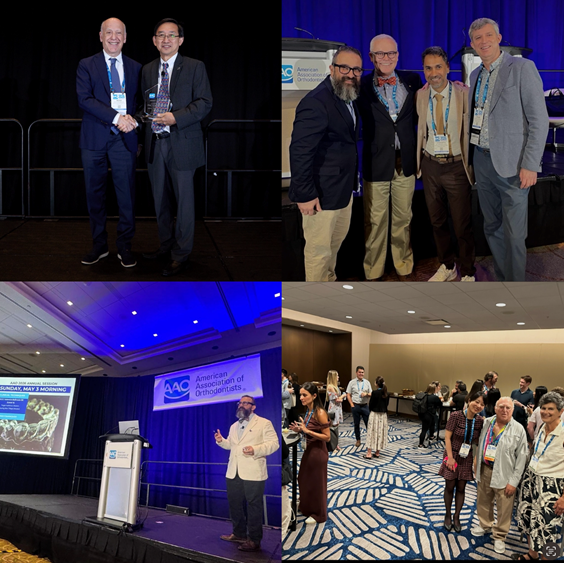
| Faculty and Alumni attended the AAO conference in Orlando, Florida. Rooz Khosravi delivered an invited lecture, both Rooz and Sid Vora participated in two separate point-counterpoint sessions. Greg Huang delivered the prestigious Edward H. Angle Lecture and received the award from Peter Sinclair, a fellow UW alum! Also included is a photo from our UW alumni reception, generously sponsored by the UWOAA! |
Fields-Joondeph Endowed Faculty Fellowship in Orthodontics
Recently, Henry Fields and Don Joondeph created the Fields-Joondeph Endowed Faculty Fellowship in Orthodontics, intended to support faculty with funding for research, meeting expenses, and other activities. In appreciation of their support, we would like to highlight both of them in this issue of our newsletter.
Interview with Henry Fields, Class of ’77
by Sam Finkelman
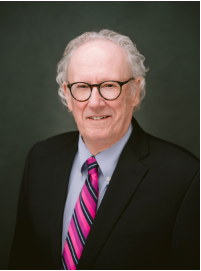
| 1. What inspired you to pursue dentistry? I always knew I wanted to pursue a career in healthcare. When I went to Dartmouth College, I started on the pre-med track like many of my classmates, but over time I began thinking about what path would truly fit me. During my junior year, I realized dentistry combined the things I enjoyed most—working with people, applying science, and using my hands in a practical way. That realization made the decision feel natural. As I explored dental schools, I spoke with several dentists who encouraged me to consider returning home to attend the University of Iowa College of Dentistry, which was undergoing exciting changes at the time. They recently hired a new dean. It felt like the right place to begin my career in dentistry. I ended up completing my pediatric residency at the University of Iowa, then moved to Seattle for orthodontic residency at the University of Washington. 2. Looking back, what aspects of the orthodontic program at the University of Washington most shaped your professional development? The most valuable aspect of the orthodontic program at the University of Washington was the breadth of clinical experience. We treated adolescents and adults, did some early treatment, and had exposure to surgical orthodontics. We also learned about TMD and orofacial pain. That wide scope provided a strong foundation for practice. The program also emphasized interdisciplinary treatment and research. We spent a lot of time discussing the literature, which encouraged critical thinking and problem solving. I appreciate that approach to learning. 3. Were there specific faculty members, who had a lasting influence on you? Several faculty members had a lasting influence on my training, particularly Dick Riedel, Don, Peter, and Vince. I worked closely with Vince on my research. Because I knew I wanted to teach, I also began collecting teaching materials using Riedel’s post-retention cases. 4. What drew you to academics? I applied for an AFDH teacher training fellowship, and they agreed to send me to the University of Washington. They paid my tuition and provided a $6,600 annual stipend while I completed my training. The funding came with a commitment: after graduating, I would spend five years in full-time academic teaching or repay the support. For me, that was never a question—I already knew academia was the path I wanted to pursue. I’ve always loved learning. From grade school on, I was curious and excited by new ideas. An academic career allowed me to combine that passion with research and teaching. The university environment was stimulating—constantly challenging, collaborative, and full of discovery. 5. What contributions during your career are you most proud of? I am especially proud of two contributions during my career. The first was working with Bill Proffit and Larry Moray on the study “Prevalence of Malocclusion and Orthodontic Treatment Need in the United States: Estimates from the NHANES III Survey”, which provided important national data on orthodontic treatment need. The second was contributing to the textbook Contemporary Orthodontics, from the first edition in 1986 through the most recent edition in 2026. These projects had a large impact on orthodontic education and the profession. 6. What are some of the biggest challenges and opportunities facing orthodontic education today? In my mind, the biggest challenge is balancing technology with science. We’re great at adopting new tools, but often lack consistent, evidence-based standards for evaluation. Innovation is important, but it must be paired with rigorous research and standardized evaluation. Otherwise, we risk embracing new technology before we truly understand its effectiveness. 7. How did you meet Don? What motivated you and Don to establish the Fields-Joondeph endowment? When I was accepted into the program, Dick was the department chair. By the time I arrived—or shortly afterward—Don had taken over as chair. He worked in the clinic and also taught seminars while I was in residency. During residency, I served as the class representative, which meant I met with him regularly—probably about once a month. We would talk about what was happening in the program. I’d bring issues or updates from the class, and he would ask questions about how things were going. Because of that role, we ended up spending quite a bit of time together, and we got to know each other on a more personal level. After I graduated, we would often run into each other at professional meetings. Whenever we did, we made a point of catching up—usually taking a little time to talk or share a drink. Over the years, that connection grew into a lasting friendship. I wanted to do something meaningful for the department that had given me so much. Greg suggested partnering with someone, and when I reached out to Don, he was on board. Together, we wanted to give back and acknowledge the positive impact the institution had on our lives. 8. What impact do you hope this endowment will have on the department? The endowment provides essential support for our faculty, enabling them to pursue research, enhance teaching, and strengthen our residency program. By offering reliable, ongoing funding, it creates opportunities for both faculty and residents to grow and thrive. 9. Why is alumni involvement so critical to the success of orthodontic programs? Alumni involvement and donations are vital because institutional priorities and budgets can change over time. While a university may shift focus based on trends or funding pressures, alumni support provides stability, resources, and flexibility that ensure the program continues to thrive. Alumni involvement helps maintain excellence and the long-term success of the program. 10. If you could give one piece of advice to young orthodontists, what would it be? Always be evidence-informed. Stay up to date with research, question trends, and let scientific evidence guide your clinical decisions. 11. What interests do you fill your time outside of orthodontics? Outside of orthodontics, I enjoy motorcycling, woodworking, and photography. I rode motorcycles for about 40 years, owning a range of bikes. I took memorable summer trips across the country and commuted by bike when the weather allowed. Woodworking has been a lifelong passion that started early. My father owned a lumberyard in a small town in Iowa. Being around this as a kid sparked an interest that stayed with me. Over the years, I’ve built furniture, clocks, and pens. |
Interview with Don Joondeph, Class of ’71
by Jennifer Mirabelli
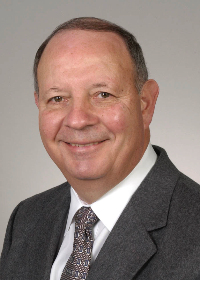
| 1. What first inspired you to pursue dentistry, and ultimately orthodontics? I was raised in a family that was health care oriented. My dad was a pharmacist but, truth be known, he really wanted to be a physician. World War II, his service as a pilot and a family in waiting derailed his plans to go back to school. Instead, he joined his dad in the pharmacy and eventually purchased the business. My mom was also in the medical field with a degree in nursing. I am the second of four boys in our family; two of us are orthodontists while two are ophthalmologists. One might say that we were destined to be doctors! 2. Who were the mentors that most influenced your early career? Drs. Alton Moore and Dick Riedel were my primary mentors and significantly influenced my career. Al was the founder of the Orthodontic department and first Chair while Dick was one of the first faculty hired by Al and the second Chair of the Department. With their guidance and support, I was honored to be the third Chair. 3. What drew you to teaching? Al Moore and Dick Riedel sponsored a two-year fellowship in orthodontic education and research. I applied for this fellowship and was the initial fellow. This program consisted of courses in the school of education to prepare an individual for a career in teaching. Research methodology was also an integral part of this program. 4. What contributions during your teaching and/or leadership years are you most proud of? My proudest accomplishment is my time as department Chair from 1975 to 1984, as I strived to maintain the excellence of the graduate experience at the UW Orthodontic Department. 5. What kept you passionate about orthodontics for so many years? I have been passionate about orthodontics because of the very positive nature of creating beautiful smiles and having the opportunity to change lives for the better. Each patient is different, so the process of diagnosis and treatment planning is varied and often challenging. Of course, teaching at the graduate level and interacting with faculty colleagues is always stimulating. 6. What is the Fields-Joondeph Endowment and what do you hope to accomplish with this fund? The Fields-Joondeph Endowment is intended to enhance the University’s ability to recruit, retain, and/or provide professional development opportunities for faculty in the Department of Orthodontics and, secondarily, to provide strategic support for the Orthodontic Department. 7. If you could give one piece of advice to young orthodontists, what would it be? Advice to young clinicians: Practice evidence-based orthodontics. 8. What interests have filled your time since retirement? I am enjoying spending time in sunny Arizona. Still teaching orthognathics and mentoring graduate student research projects at UW via Zoom, and participating in faculty activities. Lots of fun visits from family in Seattle as they hunt for the sun. |
DONATIONS
| How Your Contributions Make an Impact The UWOAA has created an endowment, and the interest from these funds is used to support key initiatives: • Orthodontic Graduate Students: Research expenses up to $7500 per student, as well as assistance with travel expenses to major meetings, like Tweed, PCSO, and AAO • Events: Sponsorship of the annual summer gathering, periodic alumni reunions, and receptions at regional/national meetings. • Exams: Assistance with expenses for the ABO exam. Specific Initiatives Funded by Donations Some contributions have been directed toward specific projects, including: • Moore-Riedel Chair and Kokich-Shapiro Endowment: Supporting the department’s educational mission. • Orthodontic Clinic Remodel (2011): Completely funded by alumni donations. Your support helps sustain the Department’s tradition of excellence. How to Donate Tax Considerations Donations to both the UWOAA and the UW are tax-deductible. Documentation for tax purposes will be provided by the respective entities. Donation Methods The easiest way to donate is online via credit card: • UWOAA Contributions: https://uwoaa.org/contribution/ • UW Orthodontics Funds:https://www.washington.edu/giving/make-a-gift/?source_typ=2&source=EDI Alternatively, donations can also be made via check. Please specify which fund you wish to support or indicate if your contribution is for the general activities of the UWOAA. For large donations, charitable trusts, or including the department in your will, please contact: Peter Shapiro ([email protected]) Greg Huang ([email protected]) Donation Recognition: UWOAA vs. UW Both the UWOAA and the UW track lifetime donations, and donors may receive special recognition or perks at various credit levels. UWOAA Donations Donations to the UWOAA provide UWOAA credit. • UW credit depends on the purpose of the donation: • Donations to the UWOAA Endowment remain with the UWOAA and do not generate UW credit. • If a donation is designated for a UW Orthodontics Fund (e.g., Moore-Riedel Chair), the UWOAA will transfer the funds to the UW, and UW credit will be provided. UW Donations • Donations made directly to UW Orthodontic Funds or Endowments will result in UW credit and UWOAA credit. • The UW shares donor information with the UWOAA quarterly to ensure proper recognition. Current UW Orthodontic Funds and Endowments 1. Chair’s Fund for Excellence in Orthodontics Supports new initiatives and areas of greatest need. 2. Orthodontics Memorial Fund Supports graduate student research. 3. Orthodontics Graduate Student Fund Directly supports graduate students. 4. Kokich-Shapiro Endowed Fund for Excellence in Orthodontics Funds the annual Kokich-Shapiro Lecturer and the Kokich-Shapiro Endowed Professor. 5. Moore-Riedel Chair in Orthodontics Attracts and retains distinguished faculty in Orthodontics and Craniofacial Biology. 6. Turpin-Huang Endowed Program Support Fund in Orthodontics Supports the annual Orthodontic graduation event. Contact Information For any questions about donations or further assistance, please contact: Peter Shapiro: [email protected] Greg Huang: [email protected] |
Club Contributions
| New Donor Level: Double Platinum ($200,000+) | ||
| David L. Turpin ’66 | Peter Shapiro ’73 | |
| Platinum ($100,000+) | ||
Farrell G. Hinkle ’73 Vincent G. Kokich ’74 | Roy M. Gunsolus Greg Huang ’89 | Paul Nelson ’95 Henry Fields ’77 |
| Double Diamond ($60,000+) | ||
| Arthur S. Burns ’61 Douglas S. Cameron ’71 Brett Fidler ’92 | Donald R. Joondeph ’71 Douglas J. Klein ’83 Alan F. Wilson ’72 | Cory Liss ’00 Alton W. Moore Davis Witt ’91 |
| Diamond ($30,000+) | ||
| Larry D. Baer ’74 David Crouch ’84 James U. Down ’72 Allen I. Drysch ’62 James R. Elder ’73 Michael R. Fey ’78 Timothy Shields ’83 Daniel Taylor ’80 | Donald E. Gardner ’79 Charles Gilmore ’83 Samuel L. Lake ’81 Reid Winkler ’06 James H. Takano ’61 Mike Vermette ’94 Alan F. Wilson ’72 Karen Hesse ’95 Anna Law ’95 | R. William McNeill ’64 Donald Montano ’87 John W. Moore ’79 E. James Nelson ’66 Warren G. Newman ’73 Gary Nordquist ’72 Douglas Knight ’95 Yea-Hwe Chong ’95 Kenneth W. Norwick ’69 |
| Emerald ($25,000+) | ||
| Michael George ’04 Fred H. Hassig ’69 Heather Woloshyn ’93 | Roberto C. Justus ’68 Elizabeth Lyons ’00 David McReynolds ’89 | Bruce R. Molen ’72 David R. Rice ’69 |
| Ruby ($20,000+) | ||
| Richard Ellingsen ’91 E. David Engst ’77 Stanton H. Hall ’79 | Alan W. Irvin ’84 Jean-Pierre Joho ’71 Raymond Kubisch ’76 Brian Loftus ’98 | Diane Milberg ’76 Walter D. Rye ’83 Gina Trask ’85 Gary R. Wolf ’81 Soleil Roberts ’14 |
| Sapphire ($15,000+) | ||
| Curtis Carlson ’76 James A. Dart ’66 D. Briar Diggs ’82 Ross J. Drangsholt ’97 Nadine J. Egger ’92 Barbara Sheller ’87 | Bruce P. Hawley ’77 Robert W. Hortin ’62 Andrew M. Houg ’60 John C. Ive ’79 Marilyn Kokich | Jack A. Lindskog ’67 Ronald J. Markey ’74 Molyneaux Mathews ’74 Robert F. Taylor ’54 Patrick Turley ’78 |
| Chairman’s Circle ($10,000+) | ||
| Michelle Emigh Agazzi ’92 Charles Alexander ’90 John Baccelli ’65 George E. Black ’64 Foster Bucher ’80 Judy Chin ’02 Gerald N. Dohner ’50 John V. Drake ’54 Arthur A. Dugoni ’63 Devek Frech ’88 Piotr Fudalej ’98 William A. Gilmore ’50 Davide Mirabella ’93 | Kristina Grey ’98 John Eastman Grubb ’71 Stanley W. Gum ’61 Charles Hall ’01 Haruo Ishikawa ’82 Nicholas Johnson ’70 Cameron Jolley ’08 Marc R. Joondeph ’76 Jonathan H. Kinne ’75 Mark Kitamura ’85 Vincent O. Kokich ’99 Francine Lo ’97 Shannon Magnuson ’96 | Allen H. Moffitt ’74 Jack M. Richardson ’59 Michael Sebastian ’87 Mark E. Simons ’71 Ward M. Smalley ’86 Arthur Stein ’74 Rodney C. Tuenge ’75 John N. Van Der Pyl ’72 Richard A. Wendt ’71 Dave Witzel ’78 Daniel M. Yaillen ’79 |
| Founder’s Club ($5,000+) | ||
| J. Paul Anderson ’71 Philip Barer ’84 Lucien Bellamy ’07 Robert Caskey ’88 Judy Chen ’02 Derek Damon ’01 Ward M. Damon ’75 Timothy Denison ’88 Diane M. Doppel ’90 John C. Dumars ’67 Paul D. Frazier ’71 Richard L. Garfinkle ’73 Sue Herring Bryan Hicks ’98 Heidi Horwitz ’01 Richard T. Jones Ross G. Kaplan ’73 David B. Kennedy ’81 | Andrew H. Leavitt ’99 Oscar I. Muguerza ’80 Paul Murphy ’98 Scott B. Nash ’84 Steve Noxon ’00 Kenneth D. Oler ’61 Scott Ostler ’93 J. Paul Ovens ’57 Rosa Peng ’98 Franklin Piacentini ’61 Thomas R. Pitts ’70 Rebecca Poling ’84 Thomas Popp ’90 William R. Proffit ’63 J. Timothy Quinn Jerry A. Rensch ’72 Laura Rothe ’04 | Dona Seely ’80 Peter M. Sinclair ’81 William Sproule ’68 Burleigh Surbeck ’01 Zeeny Teja ’91 Terrell F. Tingey ’81 Camille VanDevanter ’91 Allan L. Van Ness ’72 Bryan J. Williams ’79 Laurene Marks-Wolf ’96 Jennifer Mirabelli ’03 Tom Houlihan ’10 Carol Knaup ’93 Mary Kokich Boer Nick Salome ’01 M. Lena Omnell ’84 Rex Wallman ’58 |
| Century Club ($1,000+) | ||
| Kenneth Agronin ’84 Jack Akamine ’62 Ronald L. Allen ’69 Kirk H Allred ’86 Danilee Baldwin ’05 Philip G. Barer ’84 Peter Barwick ’94 Donald H. Baxter ’54 Barry Beget ’73 Robert J. Bendzak ’65 Dale Bloomquist Ann-Marie Bollen Wayne A. Bolton ’52 Jason Bourne Heidi C. Brandt ’78 Dante Bresolin ’82 William Boyington Thien Bui ’90 Jacqueline Bunce Soleil Roberts ’14 Dianne Chun ’89 Blaine S. Clements ’56 Andrew P. Collins ’69 Leslie A. Cotton ’75 David Covell ’93 Barry S. Cutler ’68 Dwight H. Damon ’70 James A. D’Anna ’71 Jay D. Decker ’64 Paul Dees ’67 Alvaro de la Cruz ’64 Andres de la Cruz ’92 John D. Desposato ’52 Rostyslaw Dmytruk ’74 James R. Douglas ’73 Richard M. Eastham ’68 James C. Ellingsen ’65 Ronald Ellingsen ’91 Daniel H. Empenger ’50 Joshua Erickson ’05 Edward J. Esselman ’60 Richard P. Ferguson ’70 Sara Cassidy ’12 Blair Hanson Struble ’08 Donald W. Frantz ’65 Dave L. Fredrick ’69 John Freeman ’96 Richard H. Frei ’58 Ronald Gallerano ’76 James Garol ’77 Richard A. Gile ’72 William B. Giles ’76 Kenneth Glover ’80 Christel Gooris ’89 William E. Gray ’73 Geoff Greenlee ’00 Armando Gutierrez-Oriani ’75 Gregory W. Guyman ’78 Erin Yoshida ’23 | Mike Hairfield ’92 Daniel Hall ’96 James R. Hansel ’70 Harry H. Hatasaka ’60 Nan Hatch ’02 Ronald D. Haug ’60 Mark R. Heinemann ’74 Paul D. Henderson ’67 Jerrold Hennes ’88 David G. Hickey ’58 James C. Horn ’72 Jack & Kortne Hou Dr. Fred Huang Lifung Huang ’99 Jeff Hyde ’09 Randall Inouye ’83 Laura Iwasaki Gregory Jackson ’78 Victor A. Johansen ’81 Gordon K. Johnson ’55 Robert B. Julius ’72 Tamara Justus ’99 Kenneth S. Kahn ’50 Jeffrey Kashner ’99 Robert R. Kelley ’59 Robert H. Kemp ’52 Koozbeh Khosravi ’15 Soojin Kim ’05 James K. Knell ’57 Oben Kokich Louis Kramp Michael LaMarche Joseph Lavin ’58 Bernard Lim ’91 William G. Lindquist ’63 Robert M. Little ’70 Gloria Lopez Gavito ’81 Anthony Lovrovich Stanley H. Masaki ’66 George T. Masumoto ’70 Mark Masunaga Kara McCulloch ’97 Jerome P. McDonnell ’76 R. Glenn McMinn ’79 O. Monte Merrill ’68 Louis Metzner ’77 M.P. Michael ’68 Michael Miroue ’75 Joseph R. Moran ’55 Tom Morton and K. Awamura Claude F. Mossaz ’80 James F. Mulick ’61 Frank Nannings ’83 Toyn O. Nelson ’59 Brian Nett ’03 George N. Newton ’65 Beth Ann O’Connor John E. O’Connor Janice E. Yip ’79 | Perry Ormiston ’02 Gabriela Orsini-Alcalde ’03 David W. Parks ’79 Richard V. Pedersen ’70 John R. Phillips ’53 Erik B. Pihl ’59 Arnold Pitts ’96 Ed Poremba ’86 Brian Povolny ’89 James Quessenberry ’69 Douglas S. Ramsay ’90 Setareh Razzaghi ’06 David Remington ’83 Ronald F. Robbins ’62 Lawrence Rosenberg ’75 Roozbeth Khosravi Jason Beatie ’12 Donald A. Rudee ’55 Mark S. Savage ’77 Ronald B. Schatz ’75 Andrew Schmidt ’04 Jeffrey Schur ’88 Peter G. Sendroy ’68 Tom Shackleton Dan Shaw John R. Smith ’77 Steven Spurrier ’88 Jerry L. Stoneking ’67 Daniel L. Sullivan ’65 Terence Sullivan ’94 Zongyang Sun ’07 Eugene W. Supernaw ’55 R.H. Sutherlin ’64 William D. Swanson ’73 David T. Taylor ’63 Theodore Thom ’65 Wei Tian ’13 Robert C. Ticknor ’58 Sepideh Torkan ’18 Veronica Toro ’18 Rodger H. Tuenge ’74 Dennis C. Turner ’71 Nancy Ung ’89 Frans VanDerLinden ’62 E. Russell Van Dyke ’55 Thomas R. Van Dyke ’73 Mike Wagner John Walsh ’86 Melvin W. Walters ’67 Tim Wandell Kermit N. Welch ’65 Edwin P. Werlich ’62 Richard Westin Lynn L. Whimpey ’69 Lennart Wieslander ’60 Herman Wilbrand ’84 Wayne R. Wilskie ’72 William J. Wise ’58 Carol Anne Wishart ’82 |
For a listing of all donors, please click on this link: https://uwoaa.org/uwoaa-donors/
To make a donation to the Department, click on this link: https://dental.washington.edu/make-a-gift/?source_typ=2&source=EDI&priority=all&ifGuid=11e2d779-f2d9-4bda-bc32-c7ef5be6d22b
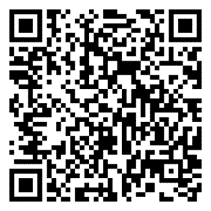
Or use the QR code above to make a donation.
By the fact that you are reading this newsletter, we assume that we have your preferred email address. If not, let Mike Fey know ([email protected]). A loud thanks to all of you who have helped us in updating our address roster, especially to the enlisted class representatives.
From some of your recent questions regarding notification of the upcoming reunion and reminders for annual dues, the Board would like your input as how to best communicate these special notices. We now live in a time in which we rely on the internet for most of our communications, but at the same time we are inundated daily with email. It is easy to overlook or delete items of significance. How would you prefer to be notified regarding special events and dues reminders? Would a separate email regarding these items help or do you need something by mail?
If you wish to comment, please contact Mike Fey at [email protected]
| Officers President Samuel Finkelman Past President Peter Shapiro Department Chair Greg Huang Treasurer Jennifer Mirabelli | Board of Directors Soleil Roberts (member) Mike Fey (member) Keyvan Sohrabi (member) Gabriela Aragon-Meyer (member) Executive Assistant Sally Gee |
We value your opinions and news!
Please contact Heather Woloshyn with any updates, questions, or comments
[email protected]
CALL
206.543.5788
EMAIL
u[email protected]
FAX
206.685.8163
Our mailing address is:
UW Department of Orthodontics
Box 357446
Seattle, WA
98195-7446
